
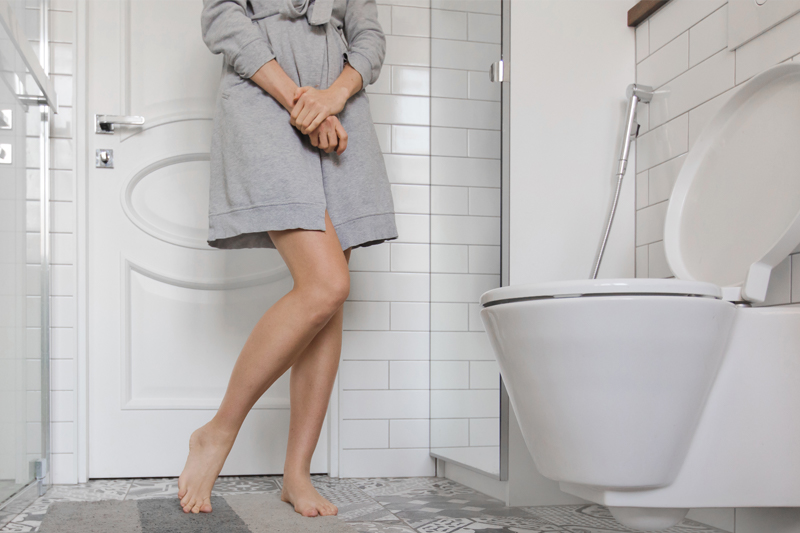
Urinary incontinence is the frequent or accidental loss of urine. It is typically more common in women after childbirth and over 50 due to changing hormones, and our urologist in Cape Town can help determine the cause.
The symptoms of urinary incontinence
Symptoms of urinary incontinence can differ for everyone, but the most common sign is the inability to control the loss of urine, often prompting assessment by our urologist in Cape Town.
Other symptoms of urinary incontinence in women include:
- Loss of urine with exercise, movement, laughing or sneezing
- Feelings of wetness without leakage
- Intense feelings of needing to use the bathroom and leaking when unable to get there in time
- Still feel the need to urinate after having just gone to the bathroom
Treatment for urinary incontinence
Various treatment options are available for urinary incontinence, but what you need will depend on your condition. Dr Kent Pluke will assess your age, medical history, health, and tolerance for treatment before establishing the most effective treatment plan as an experienced urologist in Cape Town.
Medical treatment
Medical procedures that are non-invasive can help treat the symptoms of urinary incontinence. Dr Pluke specialises in prescribing medication and performing minor procedures in his rooms.
- Anticholinergics help calm an overactive bladder by blocking the neurotransmitters.
- Estrogen in the form of medication, cream or a ring can be used to rejuvenate the vaginal and urethral tissues.
- Pessary rings are inserted into the vagina to support the urethra and prevent leakage. They are worn all day.
- Botox injections in the bladder muscle work similarly to anticholinergics by blocking neurotransmitters and calming an overactive bladder.
- Bulking agents are injected into areas surrounding the urethra to help keep it closed and prevent leakage.
- Nerve stimulators send pain-free electrical impulses to the sacral nerves that control the bladder to stimulate incontinence and prevent leakage, often overseen by our urologist in Cape Town.
Surgery
In complex cases, surgery may be necessary to correct a leaky bladder. Dr Pluke, our trusted urologist in Cape Town, specialises in surgery for urinary incontinence and may perform one of several procedures to counteract the effects of urinary incontinence.
- Slings can be made of mesh or your body’s tissue and support the muscle where the urethra and bladder meet. This procedure helps to close the urethra and prevent leakage.
- Bladder suspension is similar to receiving a sling – you undergo surgery to have the muscle where the urethra and bladder meet supported to close the urethra.
- Artificial sphincter surgery involves Dr Pluke placing a ring filled with fluid around the top of the urethra. A valve connecting to the ring is placed under the skin so that when you go to relieve yourself, you press the valve, releasing the fluid and opening the urethra.
Other natural and non-invasive treatments include pelvic floor exercises to retrain the bladder, diet changes to eliminate irritants and behavioural therapies aimed at retraining the bladder.
Struggling With Bladder Leakage?
Book a consultation with Dr Kent Pluke, our urologist in Cape Town, for tailored assessment and effective treatment options for female incontinence.
